Introduction
Lake Wairarapa had long provided sustenance to the Wairarapa whanau/hapu who lived along its shores. For generations, the lake sustained the people, and in return they protected and respected its natural environment. The story of Lake Wairarapa is the enduring relationship with Maori, the lasting consequences of colonisation, land alienation, and environmental mismanagement.
Lake Wairarapa – Sustaining Ecosystem
In its natural state, Lake Wairarapa was a thriving and self-sustaining ecosystem. The lake was teeming with tuna (eels) that migrated down from the rivers, taking their position in the lake before continuing to the sea. This migration cycle allowed the people to harvest tuna at the right time of year, ensuring an abundant and reliable food source.
The lake was a living food basket – providing sustenance not only through tuna, but also through the many plants, birds, and other species that thrived within its ecosystem. The seasonal flooding of the lake further enriched the surrounding lands.
Crown Intervention and Broken Promises
When European settlers arrived, they viewed the seasonal flooding as a problem rather than a natural cycle. They sought to drain and control the lake to make use of the fertile floodplains for farming.
The Crown entered negotiations with Maori leaders of Wairarapa Moana at the time to control and manage the lake. While not all agreed, over time the lake was gifted to the Crown under the understanding that the Crown would compensate the whanau/hapu with land nearby, enabling them to continue their customary practices. That promise, however, was never fulfilled.
Instead, widespread environmental changes to the lakes ecosystem followed:
- Trees around the lake were cut down.
- The course of the Ruamahanga River was altered, disrupting natural flows.
- Barrage gates were installed to control water levels, which also hindered the migration of tuna to the sea.
The shallow nature of the lake meant that farm stock could cross from one side to the next through the lake.
Despite repeated complaints and protests from local Maori, these concerns were ignored.
Decline of the Lake Wairarapa
The cumulative effects of these interventions have been devastating. The water quality of Lake Wairarapa has deteriorated to the point where it is close to ecological collapse. On national water quality scales, the lake now sits just one step above being classified as dead.
Pest fish species, prey on and displace the native species. Many of those once-abundant native species are now under threat of extinction. The vibrancy as a living ecosystem has disappeared.
Governance and Stalled Progress
Following the Wairarapa and Rangitane Tamaki-nui-a-Rua Treaty Settlements in 2022, a statutory board was established to oversee the lake, with representation from Ngāti Kahungunu, Rangitane, and the marae at Papawai and Kohunui. However, despite the establishment of this governance body, meaningful progress in restoring the lake has been slow.
Conclusion
The case of Lake Wairarapa is one of profound loss – loss of a thriving ecosystem, of a food source, and of promises made and not kept by the Crown. This legal case filed by the coalition Wai Manawa Whenua is about restoring balance, justice, and recognition of the rightful role of Maori as kaitiaki in freshwater governance.
Henare Manaena
He uri no te Karu o te Ika a Maui
Lake Wairarapa
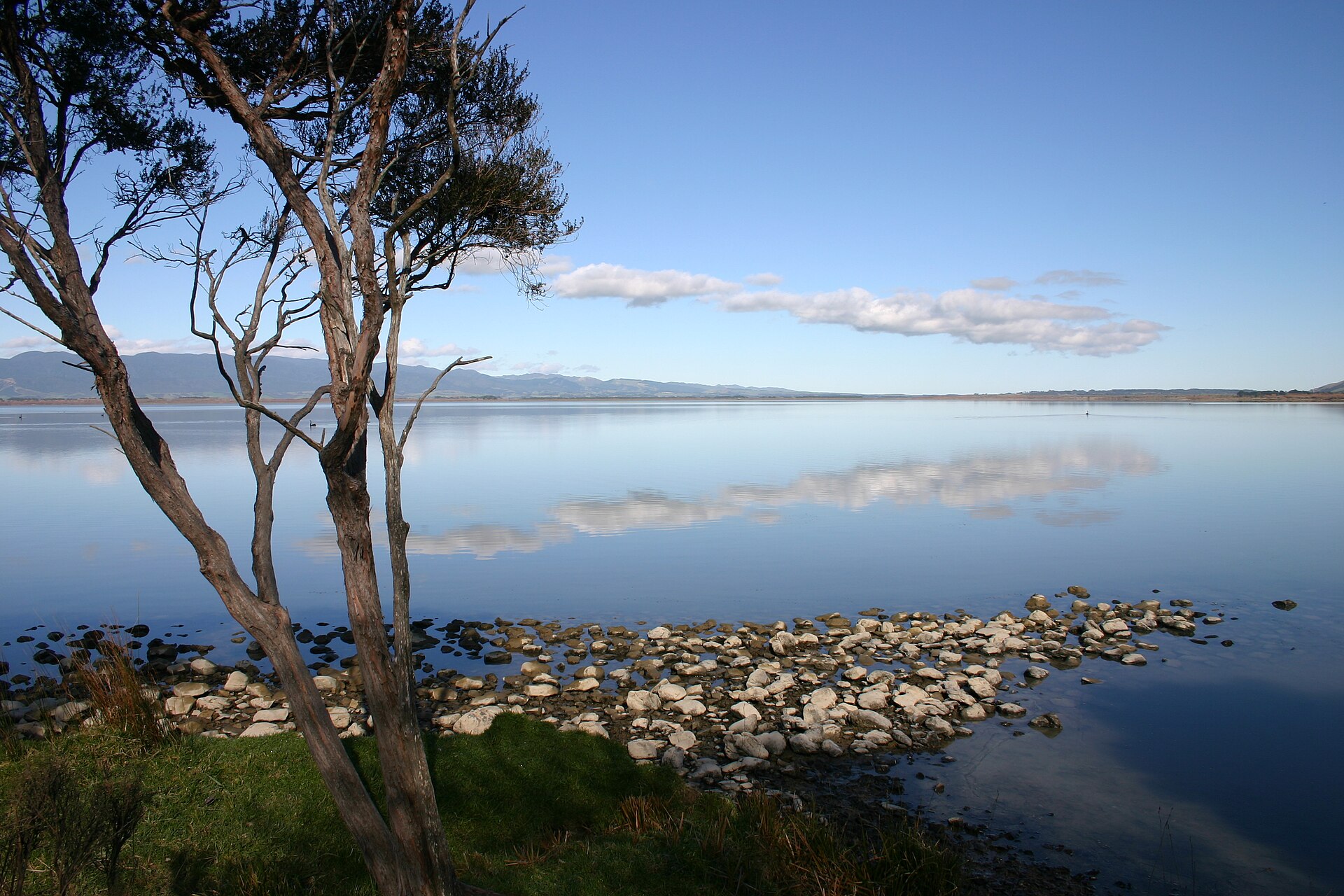
Photo of Lake Wairarapa in 2007, courtesy of Pete Monk | www.petemonk.com