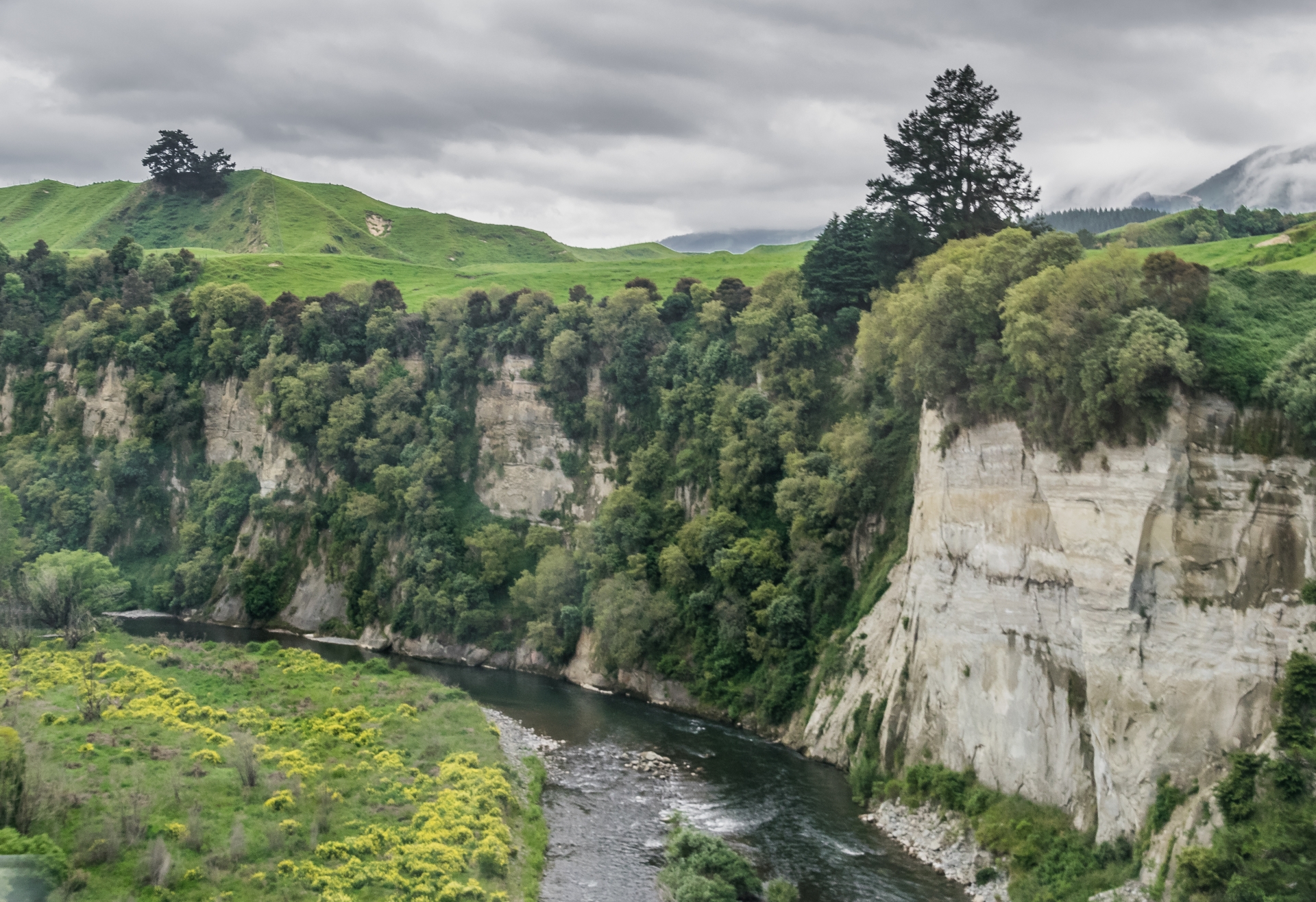
The Mohaka River – A Cultural and Ecological Taonga
The Mohaka River, winding from the central ranges of Te Ika-a-Māui to the coast north of Hawke’s Bay, is a taonga of deep cultural, ecological, and spiritual significance to Maori with kaitiaki responsibilities for the awa. Fed by numerous tributaries – including the Waipunga, Taharua, and Ripia Rivers – the Mohaka catchment sustains native ecosystems, supports local communities, and holds the living history of generations of Māori who have maintained ahi kā along its banks.
Decline Through Mismanagement and Exclusion
Over time, however, the Mohaka and its tributaries has been eroded. Sedimentation, nutrient run-off, forestry impacts, and land intensification have progressively degraded water quality. These changes have been compounded by governance systems that exclude Māori from meaningful decision-making. Under current regional council regimes, water allocation, consents, and land-use decisions are not inclusive of local kaitiaki perspectives.
Shared Challenges Across the Region
The challenges faced by the Mohaka are mirrored in my own hapu area (Ngati Hinepare, Ngati Maahu and Ngai Tawhao); catchments such as the Tūtaekuri and Ngaruroro rivers and Ahuriri estuary, which together form part of the wider network of waterways flowing from the inland ranges to the Hawke’s Bay coast. Intensive land use, forestry, and urban development have altered natural flow patterns, reduced habitat quality, and increased sediment and nutrient loads across these systems.
In the Ahuriri estuary, once a thriving mahinga kai, the accumulation of contaminants from stormwater and agricultural run-off has diminished its ecological value. Similarly, the Tūtaekurī River, long relied upon by local hapū for sustenance and ceremony, now experiences degraded water quality during periods of low flow. These rivers share the same story of declining water quality and where decisions about water allocation and land management have been made with limited Māori participation or recognition of kaitiakitanga. The health of these waterways cannot be separated from the wellbeing of our people – when one is compromised, both suffer.
The Call for Justice and Recognition
Despite repeated assurances from successive governments that Māori rights and interests in freshwater would be recognised and provided for, those commitments have not been fulfilled in practice.
In response, Wai Manawa Whenua, a coalition which includes Māori landowners, hapū and iwi collectives, as well as national organisations such as the Federation of Māori Authorities (FOMA) —have filed legal proceedings in the High Court to hold the Crown accountable for failing to honour its assurances and Te Tiriti o Waitangi, and uphold Māori rights and responsibilities over freshwater.
The coalition is seeking:
- Timely and effective Crown action to halt further decline in the health and wellbeing of water bodies.
- Safeguards to enable and ensure the recognition of Māori tikanga and proprietary rights in water and geothermal resources.
- A fair and durable water allocation system that enables Māori to fulfil their role as kaitiaki.
The High Court Hearing is scheduled for the 3rd and 4th November 2025 in Wellington.
Bob Cottrell
Chairman, Awhina Group
The Awhina Group represents 47 Whenua Maori entities extending across the East Coast and Central North Island region of Aotearoa. They comprise Maori Land Trusts, Incorporations and Maori landholding entities managing farming, mixed landuse and forestry assets covering more than 300,000 hectares of Whenua Maori land.
The catchment areas represented within the Awhina group at present are many and include:
- Most river catchments entering the east coast of the North Island from Porangahau in the South to East Cape and Bay of Plenty in the north.
- Te Arawa Lakes and river catchments and Lake Taupo Catchment.
- Waikato River and Waipa River catchments.
- Whanganui and Manawatu River Catchments